

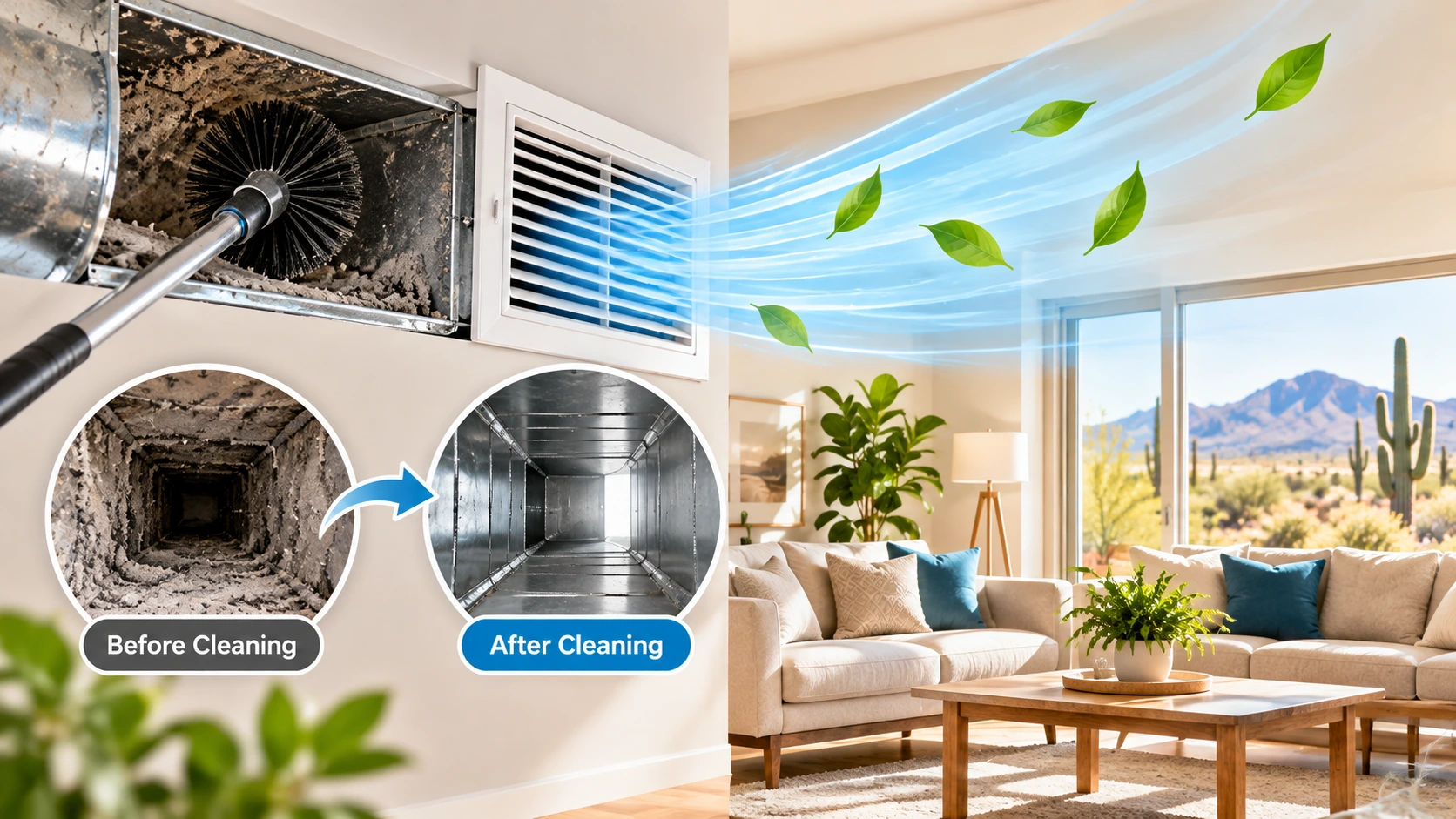
We spend the great majority of our time indoors, and in a modern, well-insulated home almost all the fresh air we breathe arrives through the ventilation system. That system works around the clock, year after year, and everything the air carries with it passes through the same ducts, filters and valves. Over time, some of it stays behind, and what stays behind eventually affects both the air and the system itself.
Many homeowners have never seen the inside of their own ventilation ducts, and the first look is often a surprise. A proper assessment starts with an inspection rather than a sales pitch, which is why specialists such as Inneklimaspesialisten examine the system first and then recommend what it actually needs, whether that is cleaning, a service or something else entirely.
What builds up inside a ventilation system
Dust is the main resident of every duct. Fibres from textiles, skin particles, pollen, pet hair and fine outdoor dust gradually coat the inside of ducts and valves year by year. In extract ducts from kitchens, airborne grease joins the mix and binds dust into stubborn deposits. Supply valves and the unit’s internal components collect their share as filters age and lose efficiency. None of this happens overnight, which is exactly why it goes unnoticed for years.
How the buildup affects your home
Deposits in ducts and valves narrow the passages air has to move through, so the system gradually delivers less air than it was designed for while the fans work harder to achieve it. Dust sitting in supply ducts can be carried into living rooms and bedrooms, and a dirty system is also a damp-friendly environment where odours develop. The combined result is often the vague feeling residents describe as heavy or stale air, even with the ventilation running.
When cleaning helps, and when it does not
Honesty matters here. Cleaning restores a dirty system to its intended condition, and that alone can make a clear difference to airflow and air quality. But cleaning does not fix a system that is wrongly dimensioned, poorly balanced or lacking sufficient supply air, and it cannot compensate for defective fans or an unsuitable duct layout. A trustworthy provider will tell you which situation you are in after inspecting the system, rather than promising that cleaning solves everything.
Kitchens and bathrooms deserve extra attention
Not all ducts get dirty at the same pace. The extract duct from the kitchen collects grease along with dust, and greasy deposits are both harder to remove and relevant to fire safety, which is why this duct usually leads the rest of the system in buildup. Bathroom extracts handle humid air day after day, so deposits there can hold moisture and develop odours sooner. If any part of the system earns a closer look first, it is these two.
How often should it be done
There is no single answer for every home. The sensible routine is regular filter changes as the manufacturer prescribes, a periodic service of the unit, and duct cleaning when inspection shows real accumulation. Households with pets, nearby traffic dust or many years since the last service typically reach that point sooner than others.
Good indoor air quality is the product of many factors, from how a home is used to how its ventilation performs. Keeping the system clean is one of the factors you can actually control. If you cannot remember the last time yours was inspected, that in itself is a good reason to find out what is inside the ducts.
