

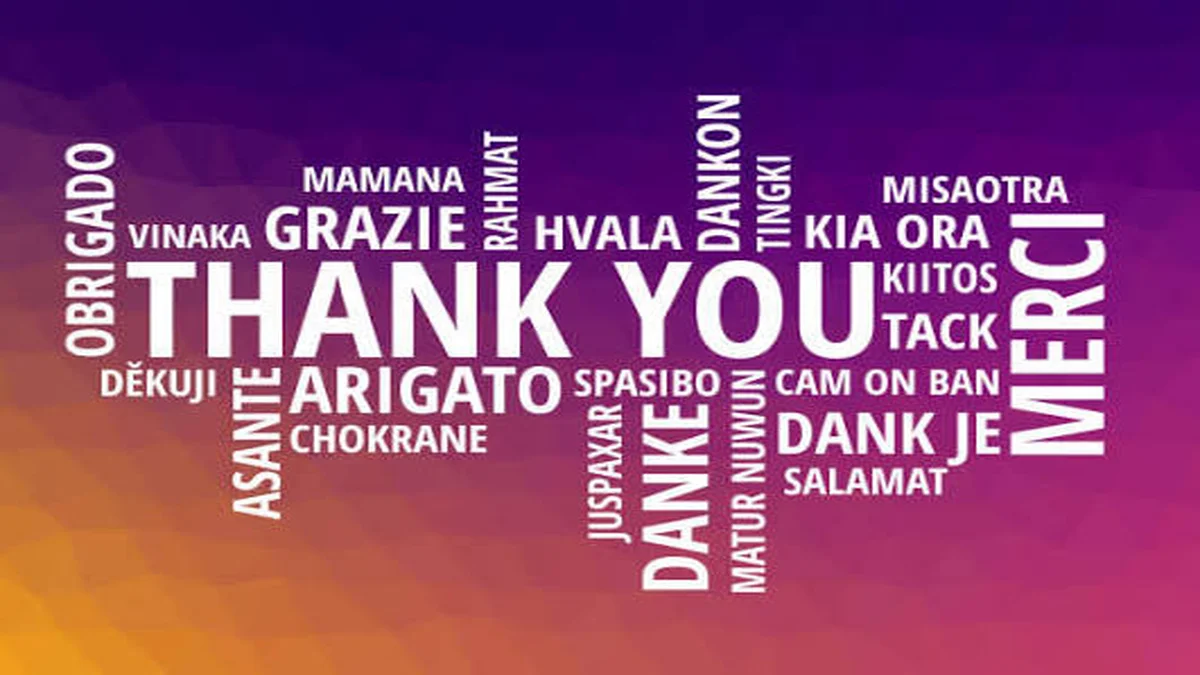
Landing in Madagascar without a single word of Malagasy is fine — but showing up with one word, said well, changes how people treat you. That word is “misaotra,” and it’s worth more than any phrasebook page will tell you.
How to Say Thank You in Malagasy: “Thank you” in Malagasy is misaotra (pronounced roughly mee-SAH-oo-tra). For something bigger, add betsaka — “misaotra betsaka” means “thank you very much.” It’s used the same way across formal and casual settings, which makes it one of the easiest polite words to pick up before a trip.
How to Say Thank You in Malagasy: “Misaotra”
Malagasy spelling looks intimidating at first, but the sounds are more forgiving than they appear. Break “misaotra” into four parts:
- mee (like the note “mi” in music)
- SAH (stressed syllable — this is where the emphasis lands)
- oo (a short “oo” sound)
- tra (a quick, clipped “tra,” almost swallowed)
Put together: mee-SAH-oo-tra. Some guides simplify it to meesh-OW-truh, which is close enough that either version will be understood without trouble.
One thing that trips people up: Malagasy vowels don’t shift the way English ones do. An “o” is always closer to “oo” in “food,” never the short “o” in “hot.” Once that clicks, a lot of other Malagasy words become easier to sound out too.
Locals are unusually patient with mispronunciation. Madagascar has 18 distinct ethnic groups spread across the island, and pronunciation already varies from the highlands around Antananarivo to coastal areas like Nosy Be — so nobody expects textbook-perfect delivery from a visitor. The attempt is what lands.
Formal, Casual, and “Thank You Very Much” Versions
Unlike languages with separate formal and informal grammar for gratitude, Malagasy keeps things simple. “Misaotra” works in nearly every situation — with a shopkeeper, a driver, an elder, or a friend. That said, there are a few variations worth knowing:
- Misaotra — Thank you (all-purpose)
- Misaotra betsaka — Thank you very much
- Misaotra anareo be — Thank you very much, said to a group of people
If you want to sound more sincere or emphatic — say, thanking a guide after a multi-day trek — “misaotra betsaka” is the natural upgrade. It doesn’t sound overly formal; it just sounds like you mean it.
Quick takeaway: You don’t need separate words for polite versus casual settings. Add “betsaka” when you want to sound more grateful, and that’s the whole system.
How to Respond When Someone Thanks You
If someone says “misaotra” to you, the standard reply is:
Tsy misy fisaorana — literally close to “there’s no need for thanks,” functionally “you’re welcome.”
It’s a mouthful compared to “misaotra” itself, so many Malagasy speakers shorten it in casual conversation to just tsy misy (“no problem”). Both are understood everywhere, and using either one shows you’re paying attention to the exchange, not just repeating a memorized phrase.
Other Courtesy Words Worth Knowing
“Misaotra” rarely travels alone. A handful of other words round out basic Malagasy politeness, and together they cover most everyday interactions:
| English | Malagasy |
|---|---|
| Please / Excuse me / Sorry | Azafady |
| Hello | Salama |
| Hello (greeting, “how are you”) | Manahoana |
| Goodbye | Veloma |
| Yes | Eny |
| No | Tsia |
“Azafady” is arguably the second-most useful word in the language after “misaotra” — it does the job of “please,” “excuse me,” and “sorry” all at once, and it softens almost any request. Learning “salama,” “misaotra,” and “azafady” together covers a surprising amount of ground for a first trip.
Why Gratitude Matters in Malagasy Culture
Politeness isn’t a formality in Madagascar — it’s closely tied to fihavanana, the broader cultural value of social harmony and mutual respect that shapes everyday interactions. Saying “misaotra” is rarely just a verbal reflex; it’s often paired with a small nod or slight bow, especially with elders or in more formal exchanges.
A few things that go beyond just knowing the word:
- Say the person’s name when possible. Thanking someone by name — “misaotra, [name]” — reads as noticeably warmer than the word alone.
- Match the gesture. A small nod alongside “misaotra” is common and appreciated, particularly in the highlands.
- Don’t worry about accent. French is widely used in government and business in cities like Antananarivo, but in daily life and rural areas, Malagasy is what people actually speak — and switching to it, even briefly, tends to get a warmer response than defaulting to French or English.
Quick takeaway: The word matters less than the gesture. Say “misaotra,” add a nod, and use the person’s name if you know it — that combination does more than perfect pronunciation ever will.
Putting It Into a Sentence
Once “misaotra” feels natural on its own, it’s easy to build slightly longer phrases around it:
- Misaotra betsaka — Thank you very much
- Misaotra anao — Thank you (to you, specifically)
- Misaotra amin’ny fanampiana — Thank you for the help
You don’t need to memorize sentence structure to use these — swapping in a name or a reason after “misaotra anao” is usually enough to sound personal rather than robotic.
Quick-Reference Table
| English | Malagasy | Pronunciation |
|---|---|---|
| Thank you | Misaotra | mee-SAH-oo-tra |
| Thank you very much | Misaotra betsaka | mee-SAH-oo-tra BET-sah-ka |
| Thank you very much (to a group) | Misaotra anareo be | mee-SAH-oo-tra ah-nah-REH-oh beh |
| You’re welcome | Tsy misy fisaorana | tsee MEE-see fee-sah-oh-RAH-na |
| Please / Excuse me | Azafady | ah-zah-FAH-dee |
| Hello | Salama | sah-LAH-mah |
| Goodbye | Veloma | veh-LOO-mah |
LOOKING FOR MORE LANGUAGE GUIDES? CHECK OUT LORETRANS’S TRANSLATOR FOR THE FULL LIBRARY.
FAQ Section
What is “thank you” in Malagasy? “Thank you” in Malagasy is “misaotra,” pronounced roughly mee-SAH-oo-tra. It’s used across nearly all situations, from casual chats to more formal exchanges, without needing separate polite forms.
How do you say “thank you very much” in Malagasy? Add “betsaka” to make it “misaotra betsaka.” When thanking a group of people specifically, “misaotra anareo be” is the version to use instead.
How do you respond to “misaotra”? The standard response is “tsy misy fisaorana,” meaning “you’re welcome.” Many speakers shorten this to “tsy misy” in casual conversation, and both are understood everywhere.
Is “misaotra” used the same way formally and informally? Yes. Malagasy doesn’t split gratitude into separate formal and informal words the way some languages do. “Misaotra” works with strangers, elders, and friends alike — intensity is added with “betsaka,” not by switching words.
What other polite Malagasy words should I learn alongside “misaotra”? “Azafady” (please/excuse me/sorry), “salama” (hello), and “veloma” (goodbye) round out the basics most travelers need for everyday interactions in Madagascar.
Does pronunciation really matter that much? Not as much as the effort itself. Malagasy speakers are generally forgiving of accent, and pairing “misaotra” with a small nod or the person’s name tends to matter more than getting every syllable exactly right.
What language is spoken in Madagascar? Malagasy, an Austronesian language, is the predominant language for daily life and is spoken across all of Madagascar’s ethnic groups, though French is also used officially in government, business, and formal education in larger cities.
