

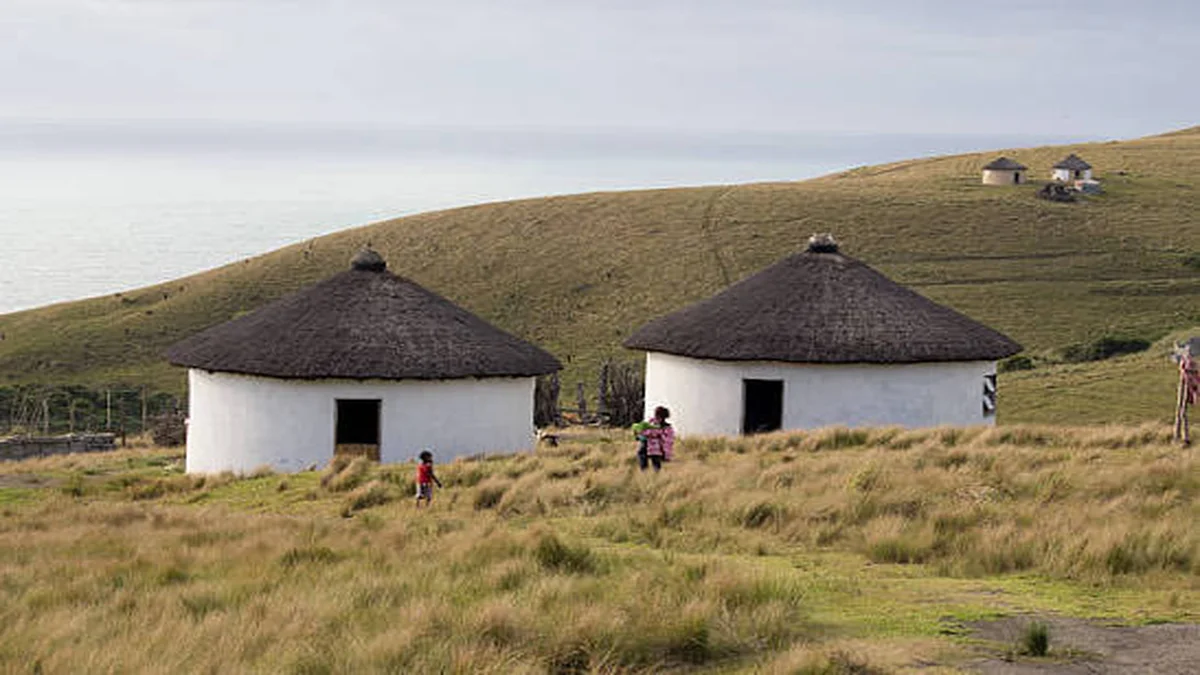
You don’t need to speak fluent isiXhosa to make someone’s day. A single “Molo” said with a smile at the right moment does more than a whole phrasebook of grammar rules. isiXhosa is one of South Africa’s most widely spoken languages, and learning even a handful of its phrases opens doors — literally and socially.
Common Xhosa phrases include Molo (hello), Unjani? (how are you?), Enkosi (thank you), and Sala kakuhle (stay well/goodbye). isiXhosa also uses click consonants and carries a rich tradition of proverbs, making it as expressive as it is practical for everyday conversation.
This guide walks through the phrases people actually use — not just textbook basics — plus the pronunciation quirks and cultural habits that make them land properly.
Greetings and Introductions
Greetings matter more in Xhosa culture than in most Western ones. Skipping a greeting to get straight to business is considered rude, even in quick interactions like buying bread at a spaza shop.
| Xhosa | Pronunciation (rough) | Meaning |
|---|---|---|
| Molo | MOH-loh | Hello (to one person) |
| Molweni | mohl-WEH-nee | Hello (to a group) |
| Unjani? | oon-JAH-nee | How are you? |
| Ndiphilile, enkosi | ndee-pee-LEE-leh, en-KOH-see | I’m well, thank you |
| Ngubani igama lakho? | ngoo-BAH-nee ee-GAH-mah LAH-khoh | What is your name? |
| Igama lam ngu… | ee-GAH-mah lahm ngoo… | My name is… |
| Uphuma phi? | oo-POO-mah pee | Where are you from? |
A quick trick that trips up beginners: Molo is singular, Molweni is plural. Use the wrong one with a group and people will still understand you, but using the plural correctly signals you’ve actually learned the language rather than memorized one line.
Quick takeaway: greet first, ask questions second — even a short “Molo” before a request changes how the whole conversation goes.
Everyday Courtesy Common Xhosa Phrases
These are the phrases that get the most daily mileage — more useful, honestly, than most of what ends up in formal phrasebooks.
- Enkosi – Thank you
- Enkosi kakhulu – Thank you very much
- Nceda – Please
- Uxolo – Sorry / excuse me
- Ewe – Yes
- Hayi – No
- Kulungile – It’s fine / okay
“Uxolo” is worth learning early — it covers both “sorry” and “excuse me,” so it works whether you’ve bumped into someone or need to interrupt politely. That dual use is one of the things competitor phrase lists tend to skip, but it’s exactly the kind of detail that saves confusion in the moment.
Pronunciation and Click Consonants
This is where most beginners get stuck, and it’s also the piece most guides gloss over. isiXhosa uses three click consonants, each written as a letter:
- C — a dental click, tongue against the back of the front teeth (like a soft “tsk” of disapproval)
- X — a lateral click, tongue against the side teeth (the sound used to urge on a horse)
- Q — a palatal click, tongue pulled sharply off the roof of the mouth (a sharper, more percussive pop)
You’ll hear all three in the word “Xhosa” itself — the X is that lateral click. Don’t worry about getting it perfect immediately. Native speakers are generally encouraging with learners, and approximating the click while getting the rest of the word right will still be understood.
A practical way to practice: isolate the click sound on its own first, several times in a row, before attaching it to a word. Trying to click and speak at the same time from day one is what causes most of the frustration.
Phrases for Daily Life and Travel
Beyond greetings, these phrases come up constantly if you’re living in or visiting the Eastern Cape, Western Cape, or anywhere with a significant Xhosa-speaking population.
| Xhosa | Meaning |
|---|---|
| Ndicela uncedo | I need help / please help me |
| Ingaphi indlela eya e…? | Which way to…? |
| Yimalini le? | How much is this? |
| Ndiyabulela | I am grateful |
| Andiqondi | I don’t understand |
| Uthetha isiNgesi? | Do you speak English? |
| Ndiyakuthanda | I love you |
“Andiqondi” (I don’t understand) is genuinely one of the most useful phrases to memorize first — it signals effort and invites the other person to slow down or switch to English, rather than leaving you both stuck in an awkward silence.
Proverbs and Idioms
Xhosa is a language built on storytelling, and proverbs (izaci) carry weight in everyday speech the way idioms do in English — except they’re used more often, including in casual conversation.
- “Umntu ngumntu ngabantu” — A person is a person because of other people. This is the foundation of ubuntu, the philosophy of shared humanity that Nelson Mandela referenced often in his speeches and writing.
- “Inja yomoya” — Literally “a dog of the wind,” used to describe someone with no settled plan or direction in life.
- “Isikuni sinyuka nomkwezeli” — A brand burns the one who stirs it, roughly equivalent to “let sleeping dogs lie.”
- “Akukho nyama ingenamathambo” — There’s no meat without bones, meaning nothing worthwhile comes without difficulty.
Ubuntu isn’t just a nice sentiment tacked onto Xhosa culture — it shapes how greetings, requests, and even disagreements are handled. Understanding “Umntu ngumntu ngabantu” explains why a five-second greeting exchange matters so much before getting to business.
Cultural Etiquette Around Language
A few habits will make your Xhosa land better than perfect grammar ever could:
- Greet elders first in any group, and add a small sign of respect — a slight nod or a warmer tone.
- Use both hands (or touch your left hand to your right forearm) when handing something to an elder, a small gesture often paired with greetings.
- Don’t rush past a greeting to get to your request; it reads as impatient or dismissive.
- If you mispronounce a click, laughing it off is fine — Xhosa speakers are generally warm about learners trying.
None of this is written into a phrasebook, but it’s the part that actually determines whether your Xhosa lands as respectful or just correct.
Conclusion
You now have the core of what makes up everyday isiXhosa: warm greetings, practical courtesy phrases, the click consonants that give the language its distinct sound, and the proverbs that carry its culture. None of this requires fluency to use well — a genuine “Molo,” a correctly placed “Enkosi,” and a willingness to attempt the clicks will take you further than memorizing a hundred words ever could. Start with the greetings, practice the clicks in isolation, and build outward from there.
LOOKING FOR MORE LANGUAGE GUIDES? CHECK OUT LORETRANS’S TRANSLATOR FOR THE FULL LIBRARY.
FAQ Section
What does “Molo” mean in Xhosa?
“Molo” means “hello” and is used when greeting one person. For groups, the correct form is “Molweni.” It’s the single most common Xhosa greeting and a good first word for any beginner to learn.
How do you say “thank you” in Xhosa?
“Enkosi” means thank you. For extra emphasis, “Enkosi kakhulu” means “thank you very much.” Both are used constantly in daily conversation, from shops to formal settings.
What are the click sounds in Xhosa?
isiXhosa has three click consonants — C (dental), X (lateral), and Q (palatal) — each represented by a letter and pronounced with a distinct tongue placement. They’re a core feature of the language’s sound, not an occasional flourish.
Is Xhosa hard to learn?
The clicks make pronunciation the biggest early hurdle, but the grammar and vocabulary are learnable with regular practice. Most learners find greetings and courtesy phrases come quickly, while click consonants take longer to master.
How do you say “I love you” in Xhosa?
“Ndiyakuthanda” means “I love you” in isiXhosa.
How do you greet an elder in Xhosa?
Greet elders first in any group setting, using “Molo” or “Molweni,” often paired with a respectful tone or small gesture. Skipping this greeting or rushing past it is considered impolite.
What does “ubuntu” mean and how does it relate to Xhosa phrases?
Ubuntu comes from the proverb “Umntu ngumntu ngabantu” — a person is a person because of other people. It’s a philosophy of shared humanity that shapes Xhosa greeting customs and social etiquette.
Where is Xhosa mainly spoken?
isiXhosa is one of South Africa’s 11 official languages and is spoken predominantly in the Eastern Cape and Western Cape provinces, with millions of first-language speakers nationwide.
